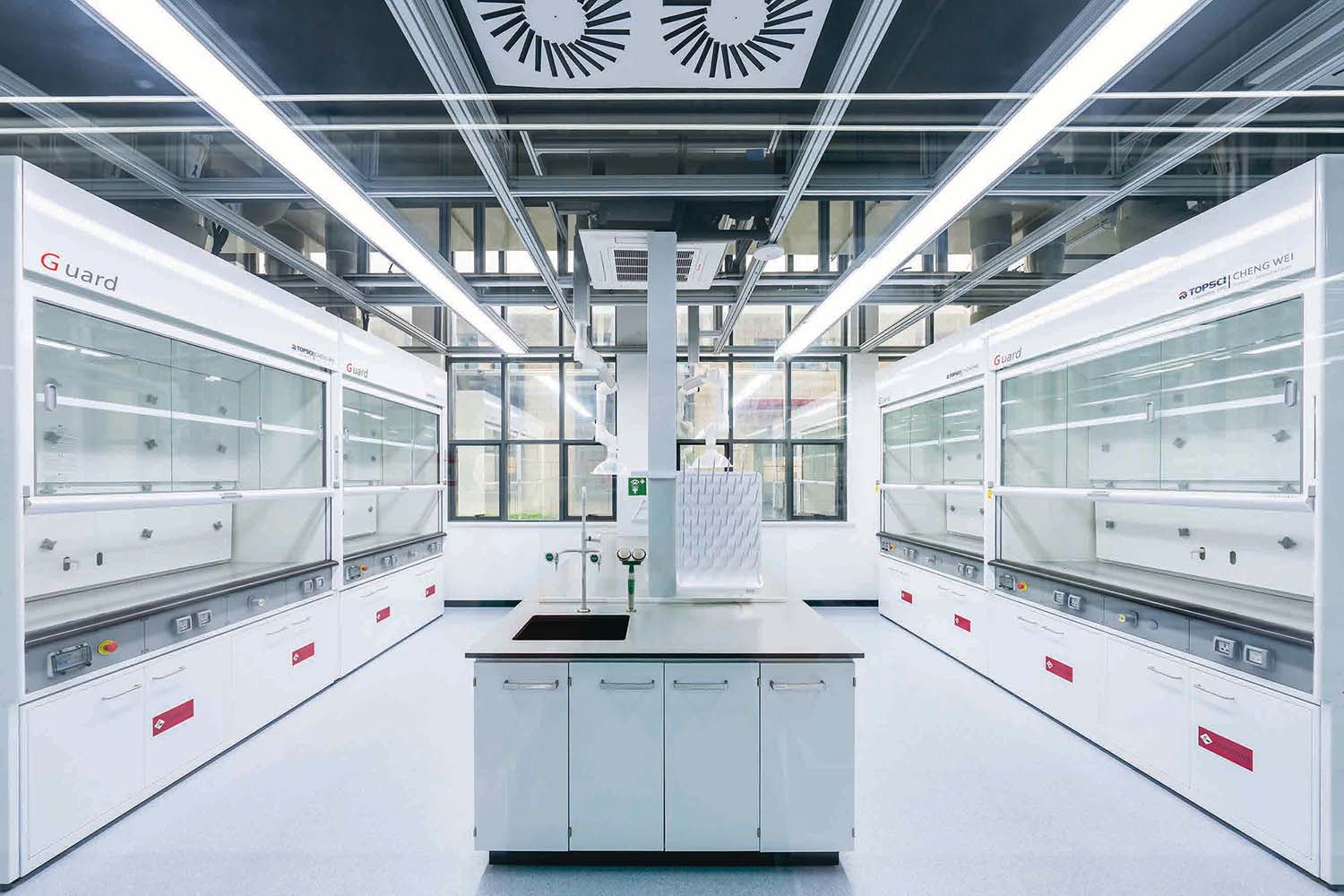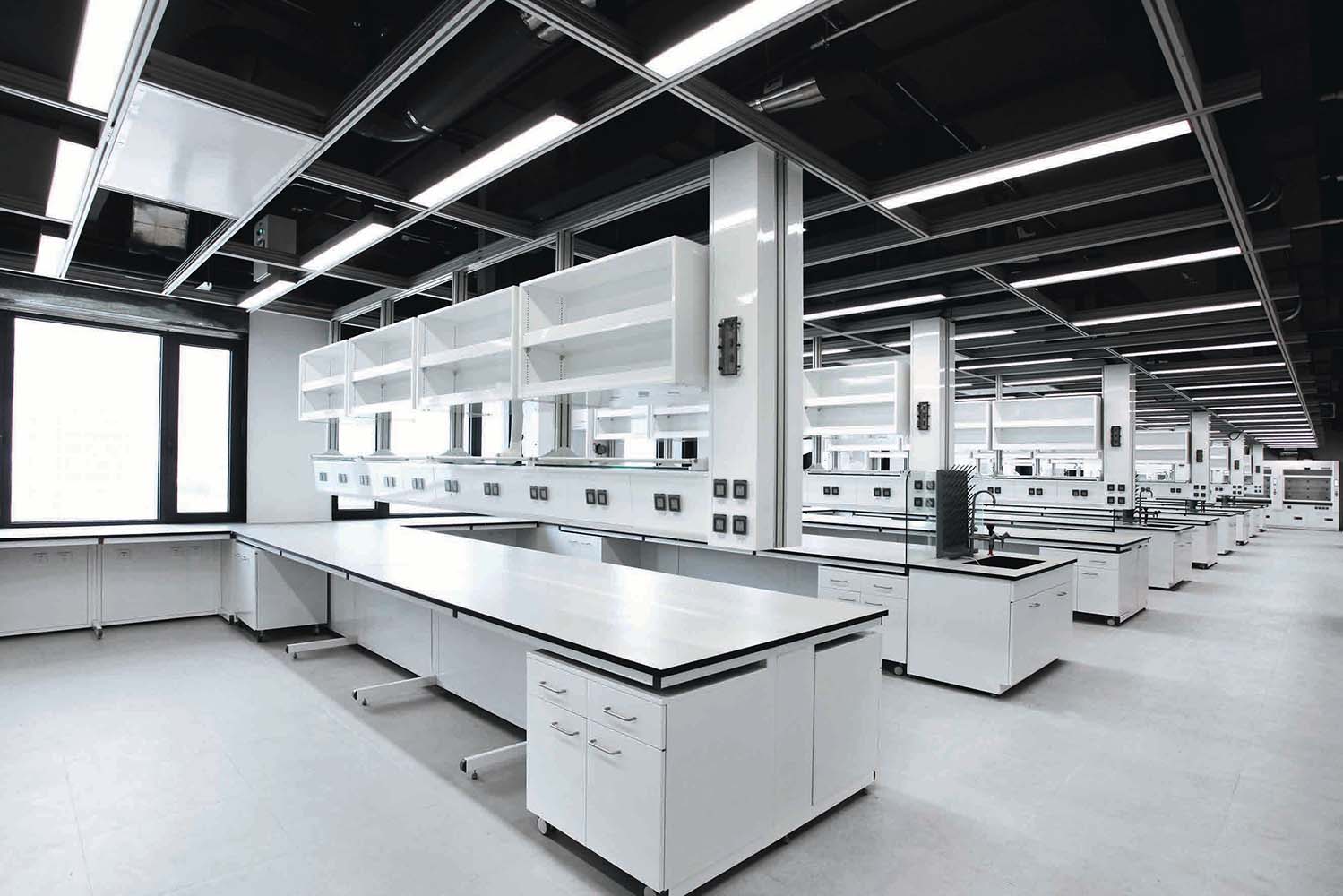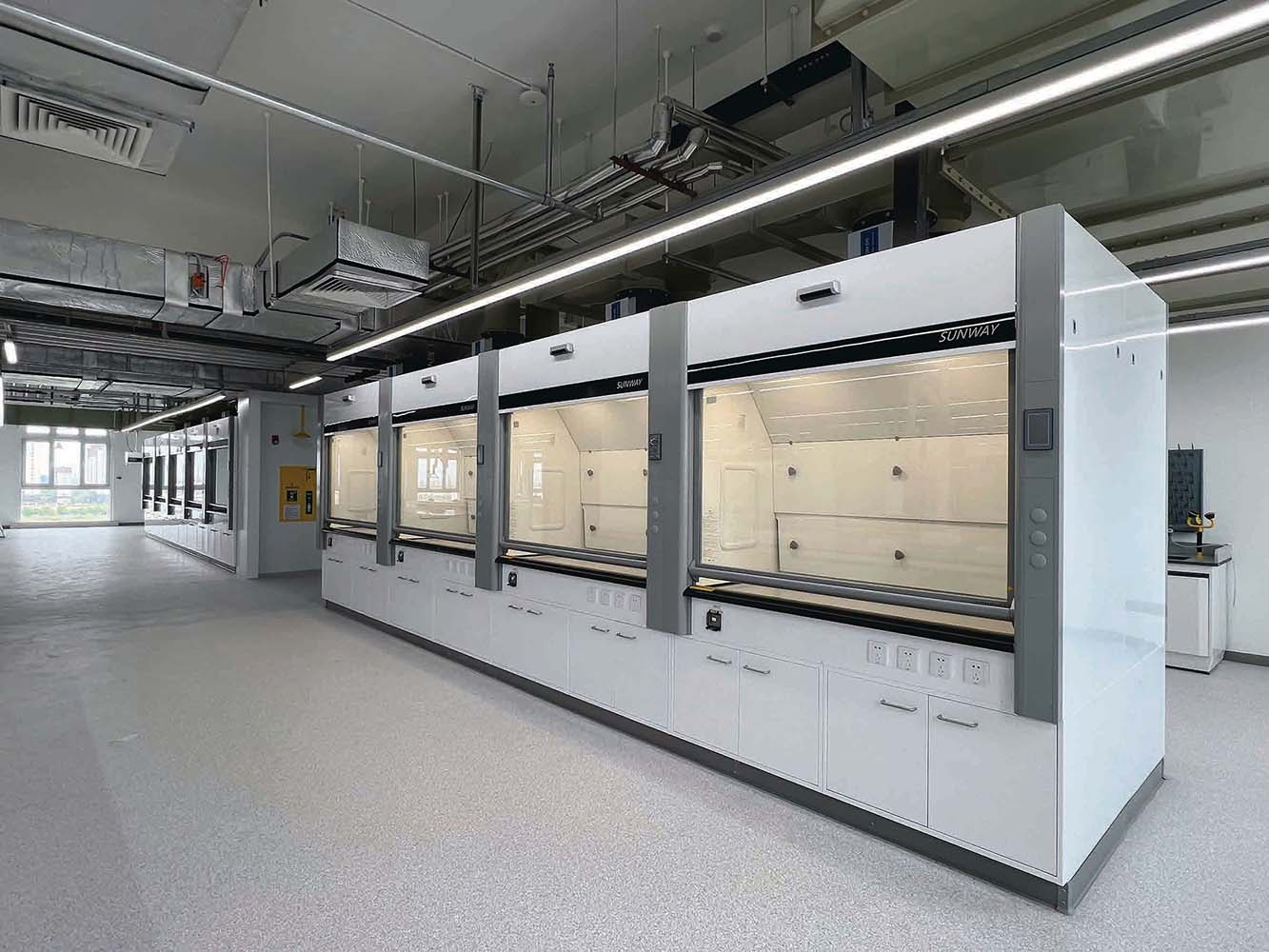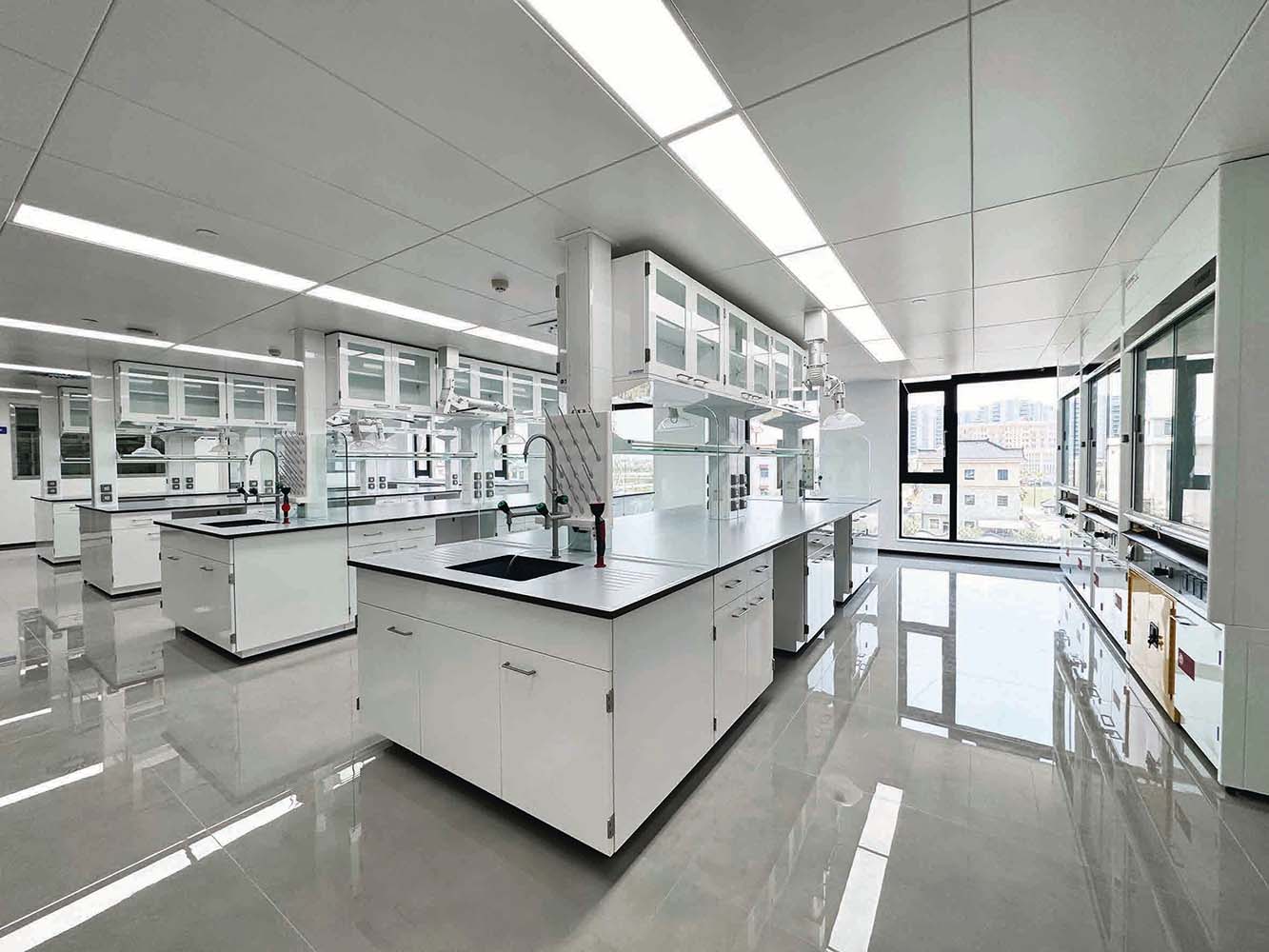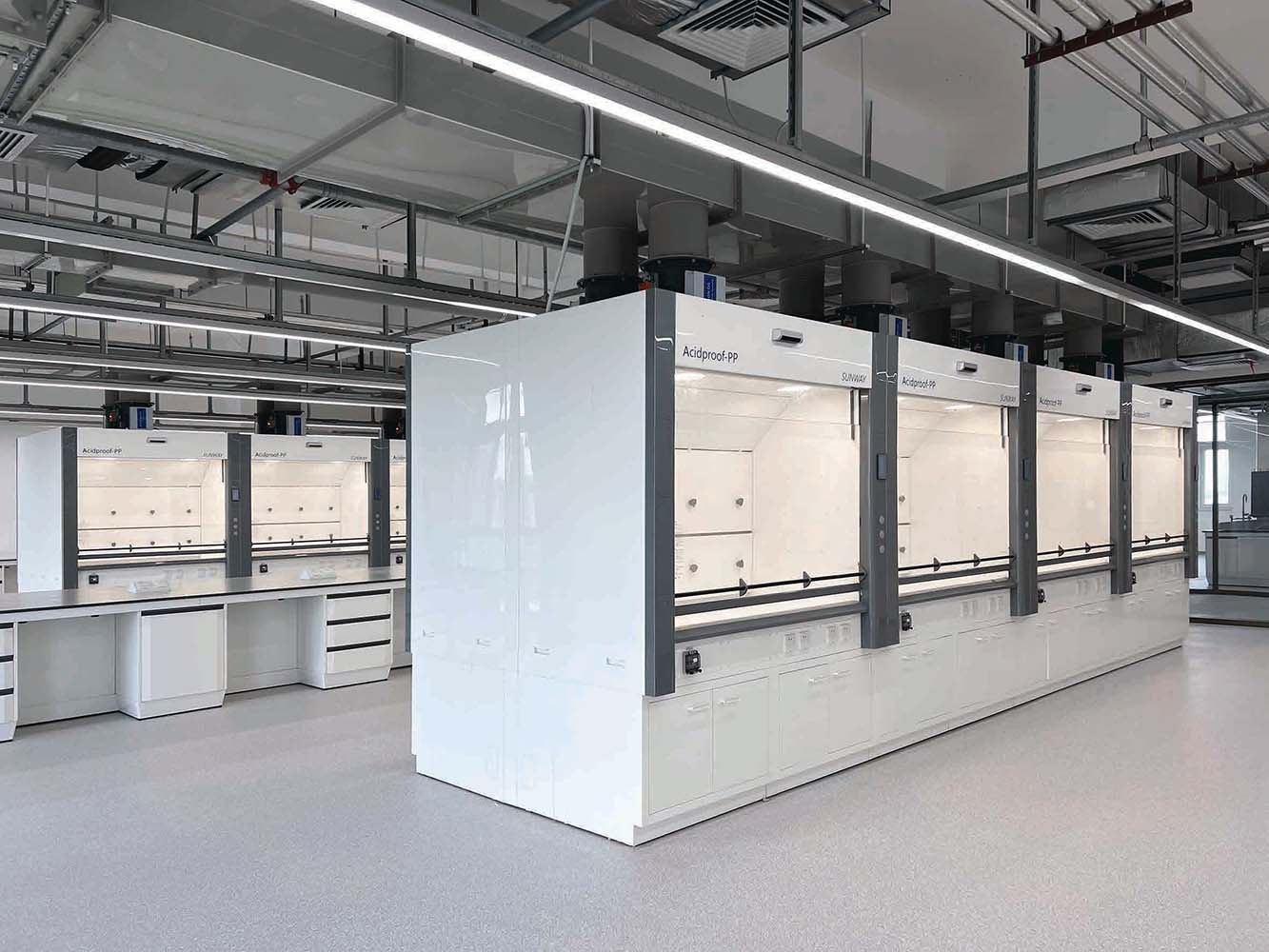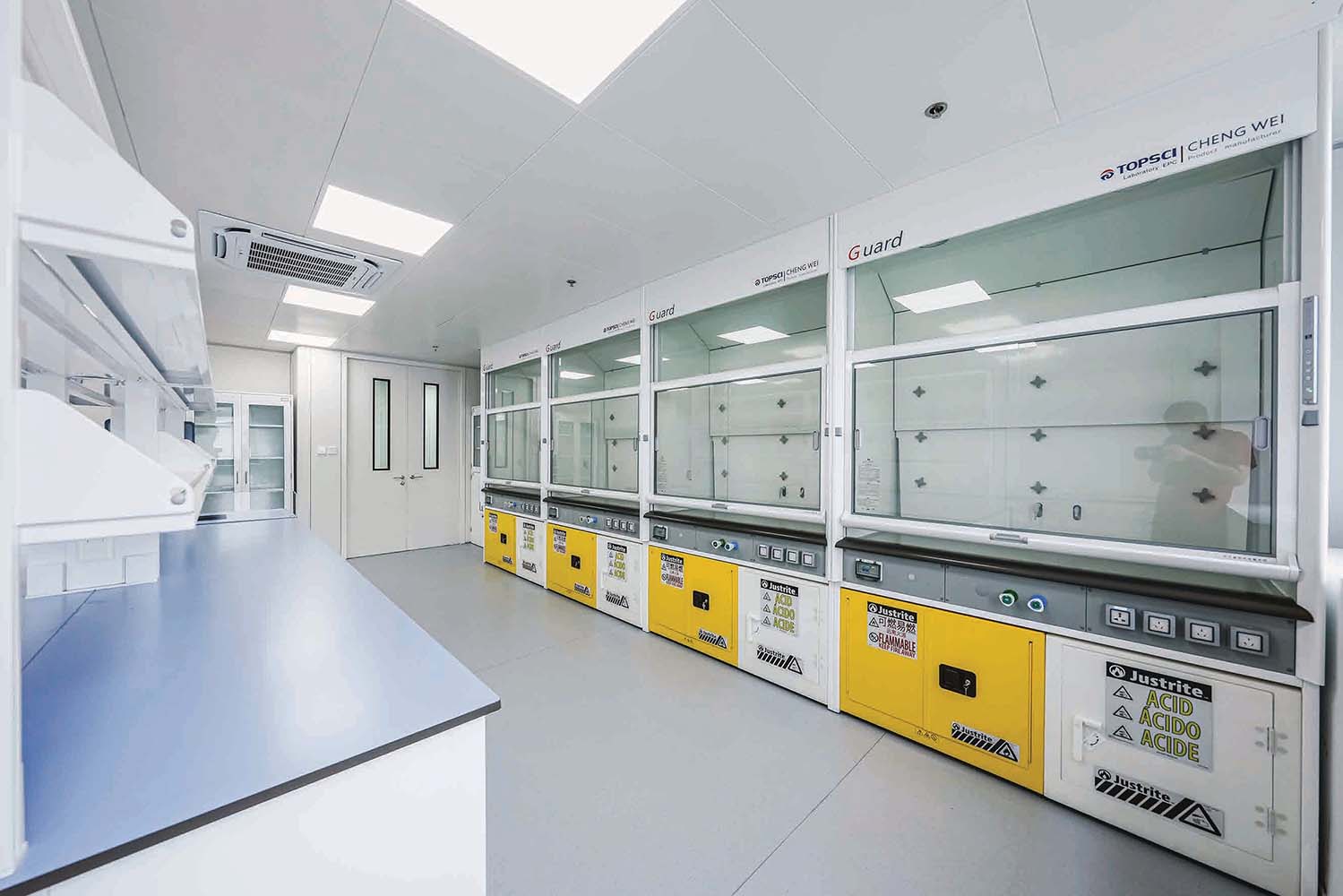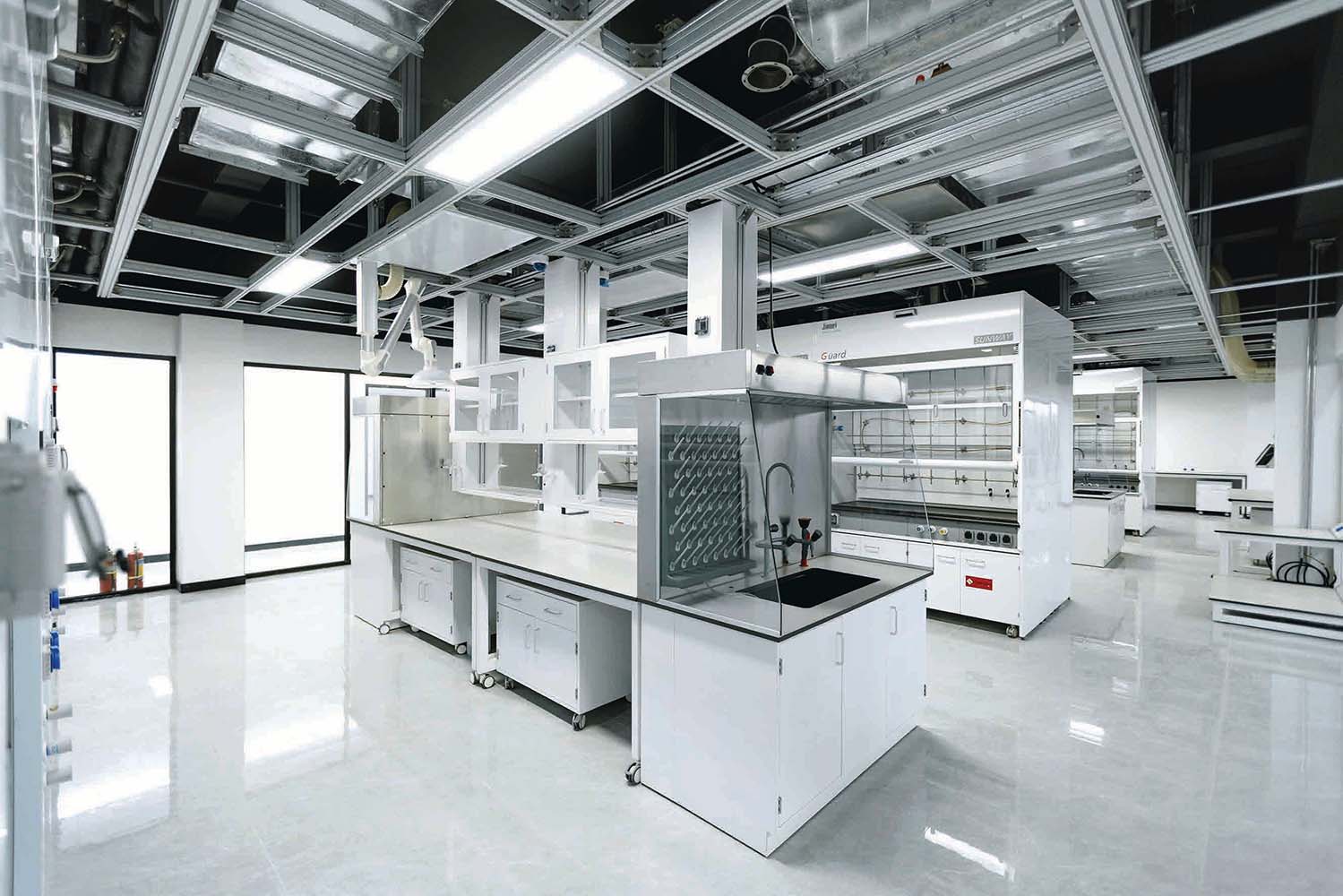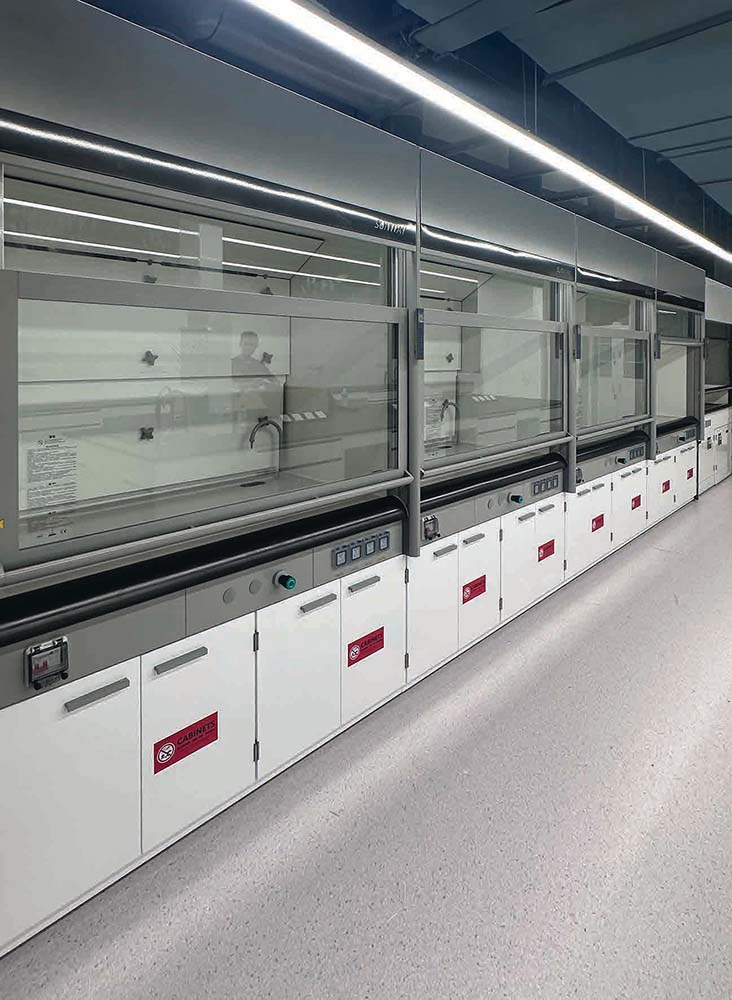
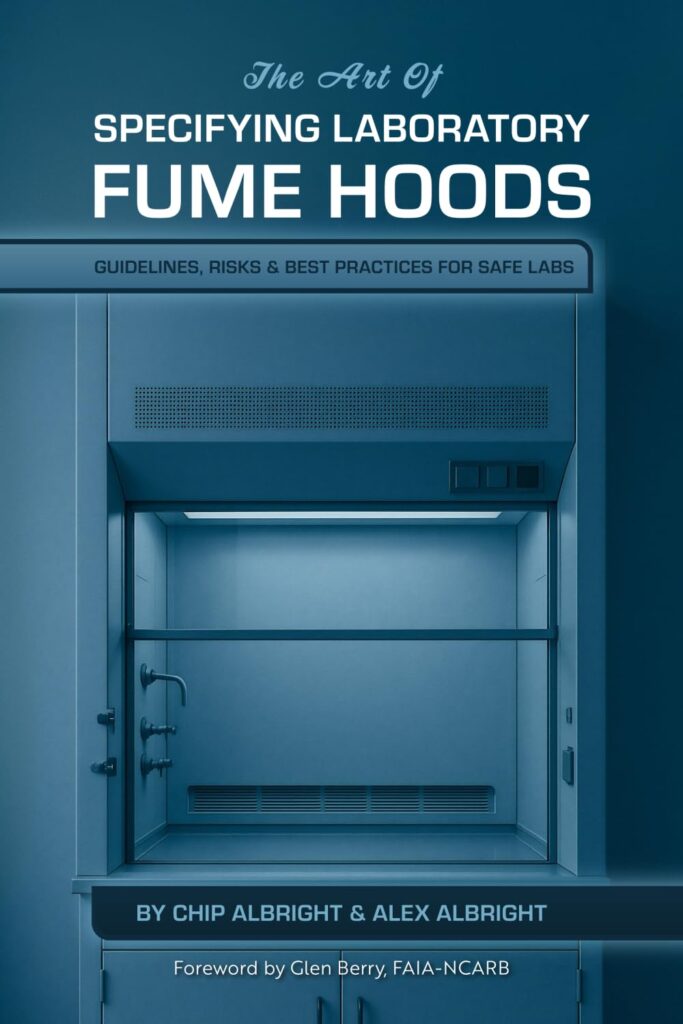
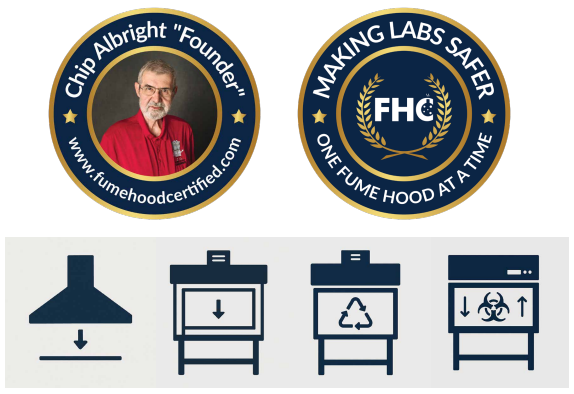





In laboratory environments, the importance of proper containment and ventilation cannot be overstated. But not everything that looks like a laboratory fume hood is a fume hood. In today’s lab settings, a wide array of ventilated and ductless devices can resemble traditional fume hoods, yet serve entirely different functions or they can have advanced features and enhanced performance beyond the capabilities of a traditional fume hood.
Some of these devices are engineered for very specific purposes. A biological safety cabinet, for example, looks like a fume hood but is designed to protect the user and the material being worked on, using HEPA filtration to trap biological contaminants. A laminar flow bench, on the other hand, directs filtered air across the work surface to protect sensitive samples, but offers little to no protection for the user.

Neither of these devices are appropriate for handling volatile chemicals, yet in the absence of clear labeling or understanding, users may mistakenly treat them as equivalent to a chemical fume hood.
Then there’s the growing prevalence of ductless fume hoods or filtered enclosures. These units recirculate air through carbon or specialty filters instead of exhausting it outdoors. While suitable for light-duty applications involving non-toxic substances or trace chemicals, they are not always adequate for more hazardous procedures. Their effectiveness depends on proper filter selection, regular maintenance, and strict adherence to usage guidelines factors that are frequently overlooked or misunderstood.
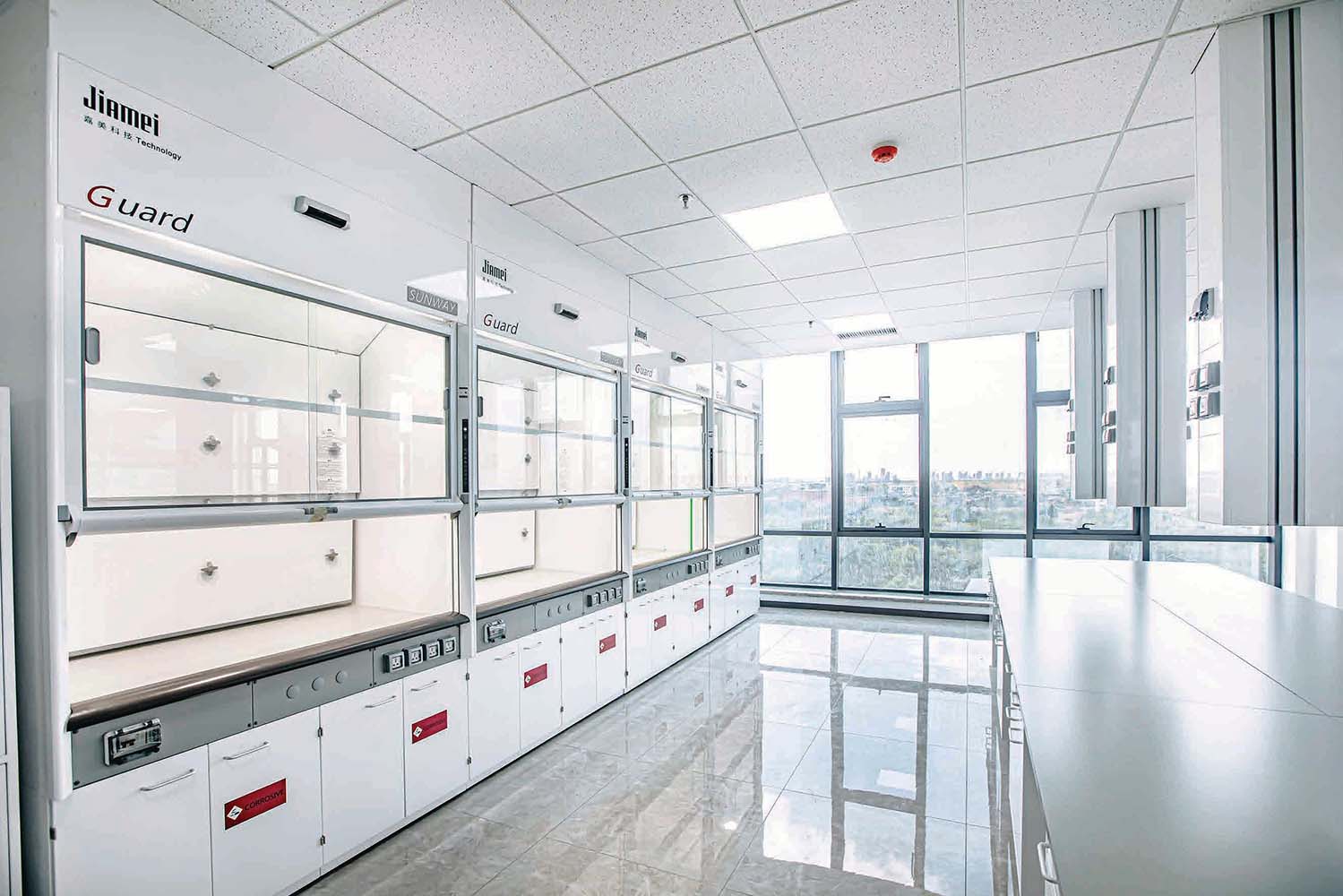
But now, the game is changing. Enter a new class of laboratory of containment devices an evolution that some call an “intelligent fume hood,” but that might be more accurately described as a smart chemical containment device. These systems may look like traditional fume hoods, but they represent a radical departure in function and capability.
Take, for example, a device dubbed “The Ultimate.” Though its physical appearance mirrors that of a conventional fume hood, its functionality is far more advanced. Unlike traditional hoods which are, in effect, passive and heavily reliant on the building’s mechanical ventilation systems this smart device is active. It continuously monitors environmental conditions, adjusts internal airflow dynamically, and employs sensors and integrated intelligence to maintain containment in real time. It doesn’t just depend on the laboratory’s HVAC it interacts with it.
This self-aware, adaptive approach means “The Ultimate” isn’t just protecting the user through brute force airflow. It is intelligently controlling exposure risks based on actual conditions, making it less vulnerable to fluctuations in duct pressure, airflow disruptions, or external variables that compromise conventional hoods.
In short, traditional fume hoods are slaves to the mechanical system. They work only as well as the ductwork, fans, and building systems behind them. But this new generation of intelligent containment devices is an active partner in lab safety capable of recognizing changes, responding to threats, and maintaining performance without relying solely on external systems.
As laboratories evolve, so must the tools we use to keep researchers safe. The lesson is clear: in the world of lab safety, appearances can be deceiving. If it looks like a fume hood, don’t assume it is one or that it performs like one. And if it is one, it may be smarter than you think.


For decades, face velocity the speed of air entering a fume hood, has been wrongly treated as the gold standard for containment. But the truth is more complicated and more critical for lab safety. Face velocity is not containment. It’s merely one piece of a complex puzzle.
Laboratory fume hoods are exposure control devices designed to capture, contain, dilute, and exhaust hazardous materials. A high face velocity doesn’t guarantee that harmful vapors stay inside the hood. In fact, many hoods that pass face velocity checks still fail containment tests, exposing users to risk.
So why the confusion? After OSHA required velocity indicators in the 1990s, many assumed that a “safe” reading meant proper containment. But face velocity readings often based on a single point can’t account for real-world factors like room turbulence, equipment setup, or user activity. These variables dramatically impact containment.
Air behaves like water it flows, eddies, and surges. Even in hoods with good design, room conditions or improper work practices can cause backflow or escape of hazardous fumes. A fume hood might “pass” in a controlled environment (ASHRAE 110 AM test) and still fail when installed or in use.
We need to move beyond the illusion that face velocity tells the whole story. The only reliable way to assess fume hood performance is with containment testing and a comprehensive evaluation of face velocity profiles, not averages.
Introducing The Ultimate a first-generation smart fume hood that represents a quantum leap in laboratory safety and user experience. Built with cutting-edge technology and intuitive design, The Ultimate is more than just a fume hood. It’s the next evolution in creating safer, smarter labs.
But at Sunway, we believe lab safety isn’t a destination it’s a journey. That’s why The Ultimate is designed to grow with you. From the start, it delivers intelligent features that support best practices and empower users. And it doesn’t stop there. We’re committed to continuous improvement, with regular updates that enhance performance, functionality, and user interaction.
Our R&D team is already developing more than a dozen new features that will be seamlessly integrated into future versions of The Ultimate. These upgrades are designed to respond to real-world needs, streamline workflows, and further reduce risk in the lab environment.
Yet the most powerful improvements won’t come from technology alone they’ll come from the community of users. As more people adopt The Ultimate, real-time feedback and practical insights will drive innovation. With every lab that uses it, The Ultimate becomes even smarter, more responsive, and more aligned with the demands of modern science. Whether you’re upgrading your lab or setting a new standard for safety, The Ultimate is the smart choice today and tomorrow.
Experience the future of lab safety. Experience The Ultimate.
“Safety” has become a catch-all phrase broad, vague, and often misunderstood. At Sunway, we choose to focus on something more precise and impactful: Accident Prevention. By reframing the objective, we achieve better, more measurable outcomes fewer incidents and a significantly improved user experience in laboratory environments.
In today’s labs, traditional fume hoods place the entire responsibility for hazard identification, risk assessment, and safe operating procedures on the user. While education and training are absolutely essential, they are not always enough. Human error is inevitable. That’s why we’ve developed The Ultimate a smarter, more intuitive fume hood that helps share the burden of safety.
The Ultimate isn’t just a piece of equipment it’s like having your own built-in safety coach. By integrating knowledge of risk and real-time feedback, it can assist users in making safer decisions and responding to changing conditions. This intelligent technology doesn’t replace training; it enhances it, turning passive equipment into an active partner in safety.
When knowledge is embedded into the hood itself, safety becomes proactive not reactive.
Accident prevention isn’t just a goal. With The Ultimate, it becomes a reality.
In laboratories around the world, danger doesn’t always announce itself. Hazards are often invisible odorless gases, poor airflow, equipment that’s just slightly out of spec. And when we can’t see a problem, we’re less likely to act. That’s why visibility literal and figurative is a cornerstone of lab safety.
We believe that risk can only be reduced when it’s recognized. Whether it’s room conditions, fume hood issues or user work practices, problems need to be seen before they can be solved. Too often, facilities rely on outdated assumptions or under-trained personnel, missing the very signals that could prevent an accident.
That’s where we come in.

Our approach is built on a simple principle: make safety visible. We use the multi-color Sunway logo to give fume hood users instant visual feedback on airflow performance green means safe, yellow means caution, red means stop. No guesswork. No jargon. Just clarity.
We also go beyond the hardware. With factory certified inspections, user training programs, and educational resources empower researchers and lab managers to understand how their equipment should work and what to do when it doesn’t.
In short, we help you see the problem before it becomes a costly incident. Let’s stop flying blind. Let’s start building labs where safety is obvious, intuitive, and actionable.
Because if you can’t see a problem, you can’t fix it.

At Sunway, we pride ourselves on a unique advantage that sets us apart from traditional manufacturers our bias for action. Based in China, we operate without the weight of legacy systems and overly restrictive regulations that often hinder innovation in Western markets. This freedom allows us to move fast, experiment often, and bring breakthrough technologies to market faster than ever before.
We don’t just talk about innovation, we live it. When we have an idea, we build it. We test it. If it fails, we fix it quickly and try again. Every failure is viewed as a First Attempt In Learning, not a setback. This relentless cycle of trial, improvement, and refinement drives continuous innovation and ensures that by the time our products reach the market, they’ve been proven to perform under real-world conditions.
This approach has allowed us to develop some of the most advanced fume hood systems on the market today. Take The Ultimate, for example a revolutionary product that takes our development philosophy to a whole new level. Unlike conventional fume hoods that require hardware upgrades to improve performance, The Ultimate is powered by software. That means we can refine and upgrade features in real-time, based on user feedback, without waiting for the next generation of hardware.
At Sunway, we’re not just building fume hoods we’re solving problems. We work closely with our customers, taking their feedback seriously and integrating it rapidly into our development process. This customer-first, action-oriented approach keeps us agile, responsive, and ahead of the curve.
Innovation doesn’t have to take years. With Sunway, it happens now.

A product is a fixed, ready-made solution designed, manufactured, and delivered as-is. Ideal for consistent, well-defined needs, products are standardized making them easy to specify, install, and maintain. However, they often require adaptation to fit unique applications.
An engineering platform is built for customization. It integrates proven engineering principles, technologies, and modular components to deliver tailored solutions. Platforms evolve with your lab’s workflow, safety needs, and performance goals rather than forcing your team to adapt.
Choosing an engineering platform means investing in long-term value. It delivers deeper integration with building systems, smarter control options, and the agility to future‑proof your lab. While a product provides function, a platform provides possibilities. With the right platform, you’re not just buying equipment you’re building an adaptable, high‑performance environment.

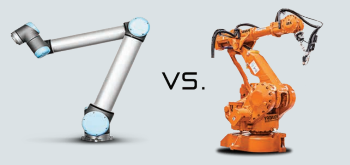
A robot is an autonomous or pre-programmed machine designed to perform tasks without human intervention, often used in industrial settings for repetitive, high-precision work. Traditional robots are typically caged off for safety, operating independently of people due to the speed, strength, or risk involved in their movements.
A cobot, short for collaborative robot, is specifically designed to work safely alongside humans. Unlike traditional robots, cobots are equipped with sensors, force limitations, and advanced software that allow them to respond to human presence and input. They are often smaller, more flexible, and easier to program, making them ideal for tasks that require human oversight, adaptability, or shared workspace.
In short, the main difference lies in how they interact with people: robots work independently, often separated from humans, while cobots are designed for safe, direct collaboration, blending the efficiency of automation with the flexibility of human intelligence. To achieve this, they have to become self-aware. They have to understand the environment they are operating in.

Laboratory fume hoods are essential tools for protecting personnel from hazardous chemical exposure. Their performance and safety are governed by a series of interrelated standards and protocols designed to ensure effective containment and maintain safe working conditions. Understanding and following these standards is critical for compliance, safety, and operational excellence.

The ANSI/ASHRAE Standard 110-2016, "Methods of Testing Performance of Laboratory Fume Hoods," is the industry’s primary protocol for evaluating fume hood containment. It includes both quantitative and qualitative methods such as airflow visualization, tracer gas containment testing, and face velocity measurements. Though originally designed for factory testing, ASHRAE 110 is widely used to assess performance in installed hoods as well.

ANSI’s Z9.5 Standard underscores the necessity of routine testing and certification. It recommends annual performance evaluations, testing before first use, and re-certification after any system modifications. Operators are also encouraged to conduct daily visual checks for cleanliness and airflow blockages. These proactive measures help ensure continued containment performance and safety.

The Scientific Equipment and Furniture Association (SEFA) 1 Guidelines offer recommendations for fume hood face velocities, tailored to the toxicity of the chemicals in use. While not a codified standard, SEFA 1 provides valuable guidance for optimizing performance and aligning with best safety practices. SEFA 1, ASHRAE 110, and Z9.5 often reference one another, forming a comprehensive framework for lab safety

Enhancing traditional static testing, the Tri-Color Laboratory Fume Hood Dynamic Containment Protocol introduces a more visual and practical approach. Using haze and laser technology, Tri-Color makes airflow patterns visible in real-time, revealing how the hood performs under actual working conditions. This method builds on ASHRAE 110’s suggestion that real-world testing is essential for verifying safe operating procedures.

Under the OSHA Laboratory Standard (29 CFR 1910.1450), laboratories are legally required to ensure that fume hoods and other protective equipment function effectively. This includes regular inspection and maintenance as part of a chemical hygiene plan, reinforcing the importance of consistent oversight.

Issued by the National Fire Protection Association, NFPA 45 sets guidelines for fire protection in labs using hazardous chemicals. It includes design and operational requirements for fume hoods that help mitigate fire risks, particularly those involving flammable substances.

The UL 1805 Standard addresses the structural, electrical, and fire safety of fume hoods, ensuring that the unit itself is built to rigorous safety standards.

Regular testing, adherence to standards, and embracing new testing protocols like Tri-Color all contribute to safer laboratories. By following this collection of complimentary standards and best practices, laboratories can ensure their fume hoods are doing what they’re designed to do protecting people.
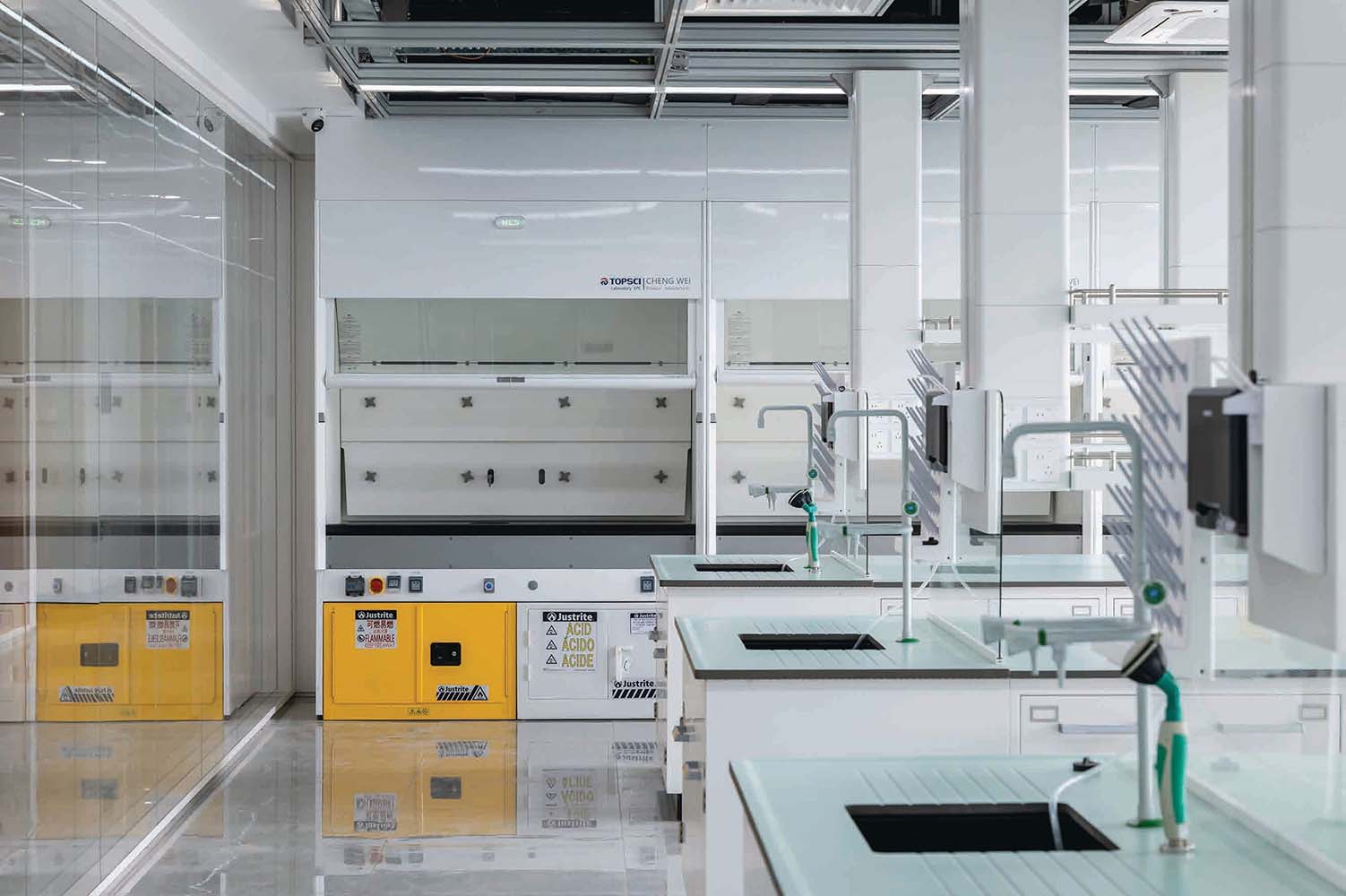
Phoenix, Arizona, Chengwei–Sunway today announced the launch of its U.S. subsidiary, Sunway Technologies LLC, to serve the North American laboratory market. The company also unveiled the world’s first Intelligent Chemical Containment Device (iCCD), called “The Ultimate.”
Sunway Technologies LLC is the U.S. branch of Beijing Chengwei Bo Rui Laboratory Equipment Co., Ltd., a global laboratory equipment
manufacturer. This expansion brings advanced containment technology closer to U.S. customers, with localized sales, service, training, and support aligned with North American standards.
At the heart of this launch is The Ultimate, a breakthrough in lab safety that goes beyond traditional fume hood design. It actively monitors, manages, and improves containment performance.
“The Ultimate represents a fundamental shift in how laboratories think about chemical containment,” said Ziyi Zhou, President of Sunway Technologies LLC. “Instead of relying solely on design assumptions and periodic testing, intelligent containment provides continuous awareness, predictive capabilities, and a higher standard of protection.”
● Supporting North American sales and distribution
● Providing localized technical support, training, and demonstrations
● Collaborating with laboratory owners, designers, engineers, and safety professionals
● Ensuring alignment with U.S. standards, codes, and performance expectations
The launch highlights Chengwei-Sunway’s long-term commitment to the North American market and the growing demand for smarter, data-driven approaches to lab safety. Additional announcements on facilities, product demos, configurations, and partnerships will follow in the coming months.
About Sunway Technologies LLC
Sunway Technologies LLC is the U.S. subsidiary of Chengwei–Sunway, delivering advanced laboratory containment solutions with
localized sales, service, and support.
About Chengwei–Sunway
Beijing Chengwei Bo Rui Laboratory Equipment Co., Ltd. is a global manufacturer of lab equipment and containment solutions serving research, education, healthcare, and industrial laboratories worldwide.