Inspired by the science behind weather forecasting, we’ve developed a groundbreaking advancement in fume hood safety: Predictive Containment. Just as meteorologists collect and analyze atmospheric data to forecast weather patterns, Predictive Containment uses real-time data to anticipate the performance and containment of your laboratory fume hood.
It’s an intelligent process that predicts whether your fume hood is actively and effectively containing hazardous fumes. Using an array of high-precision digital instruments, we continuously monitor conditions in and around the hood airflow, face velocity, turbulence, and other environmental factors. This stream of data is then analyzed to provide a predictive assessment of the hood’s containment performance.
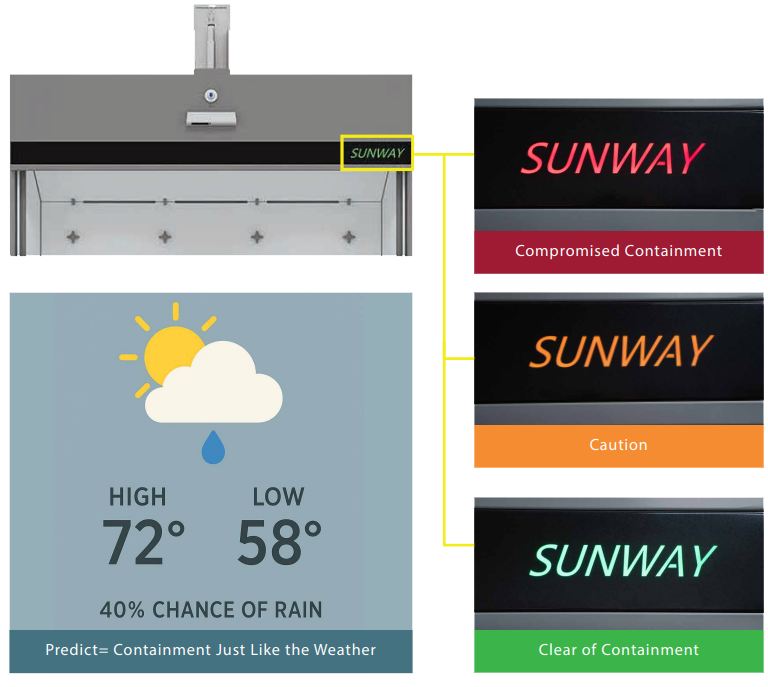
Think of it this way: in weather forecasting, you might hear there’s a 30% chance of rain tomorrow based on dynamic environmental data. Similarly, our system evaluates the conditions in real-time and predicts the likelihood that the hood is functioning safely and within established containment parameters.
The centerpiece of this innovation is our intuitive visual indicator the Sunway logo, which acts like a traffic light for lab safety. When conditions are optimal and containment is within acceptable limits, the logo glows green. However, if data indicates compromised containment, it turns red, prompting immediate attention.
A red logo doesn’t mean panic it means it’s time to evaluate your hood environment. Are sashes fully open? Are materials placed too close to the airfoil? Are room conditions affecting airflow? By recognizing these changes early, lab users can take corrective action before safety is compromised. With Predictive Containment, you get more than data you get foresight. It’s smart, proactive, and designed to keep your lab environment safe, efficient, and informed.
When you first bring a fume hood into your lab, it’s a constant steel, glass, and airflow engineered for safety. The hood itself doesn’t change. But the world around it does. Every day, room conditions shift: doors open and close, ventilation patterns fluctuate, new equipment is wheeled in, and researchers adjust how they work in and around the hood. These small changes can add up to big risks. What was once a safe setup can, in a heartbeat, becomes a potential hazard.
That’s where the smart hood sets itself apart. It’s not just a silent bystander; it’s a vigilant partner. The smart hood senses when the invisible balance of containment is disrupted. It notices what you can’t see air currents gone astray, unsafe practices creeping in and it speaks up.
With a message on the controller and a glowing, highly visible colored logo, it doesn’t whisper; it signals. Boldly. Clearly. The hood knows when conditions aren’t right, and it alerts you in time to act.
It’s more than equipment it’s awareness made visible. A guardian that adapts as your lab evolves, keeping user protection at the forefront.
Because safety isn’t static. And neither is your hood anymore.
How Do I Know My Fume Hood Is Safe? Now You Can See for Yourself.
One of the most common questions we hear is, “How do I know my hood is performing safely?” And the honest answer used to be: You don’t unless you test it.
But frequent containment testing has historically been inconvenient, expensive, and limited by the lack of real-time, meaningful metrics. Without good tools to visualize airflow and containment, users have often been left to rely on assumptions or infrequent certification visits.
That’s why we knew we had to think outside the box.
When we first saw Tri-Color technology, it was a lightbulb moment. For the first time, we had a simple and intuitive way to visualize dynamic containment performance live and in color. We realized that if this kind of real-time feedback could be integrated directly into a fume hood, we could change the game for lab safety.
Our latest model, “The Ultimate,” includes built-in Tri-Color functionality. We call this feature Self-Validation. With it, users can initiate a containment test anytime to test.the hood’s setup or simply to ensure it’s still operating as expected.
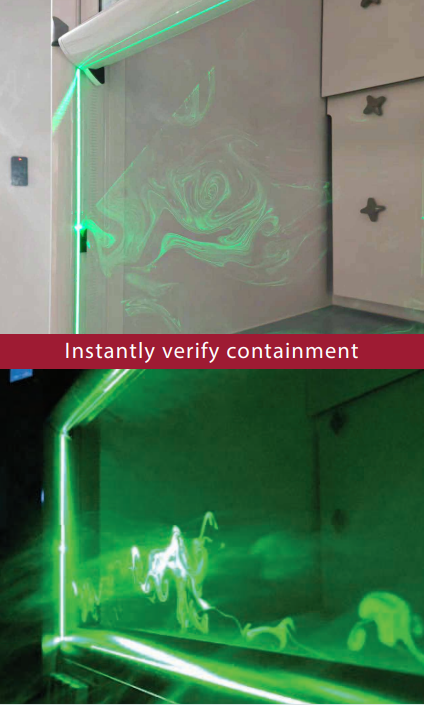
Just press the button to start the test cycle. In about one minute, you’ll see a clear visual indication of how well the hood is containing. No waiting, no third-party tester required, no guesswork.
Self-Validation gives lab users control, confidence, and peace of mind. Because when it comes to safety, seeing is believing and now you can.
A Perfluorohexanone fire suppression system, commonly known by the trade name FK-5-1-12 or Novec 1230, is a clean agent fire suppression technology designed to extinguish fires quickly without harming sensitive equipment or leaving behind a residue. It’s widely used in data centers, laboratories, museums, and other critical areas where water or powder-based systems could cause damage.
The system stores the agent as a liquid in pressurized cylinders. Upon fire detection usually through heat, smoke, or flame sensors—the system activates and releases the agent through a network of piping and discharge nozzles into the protected area.
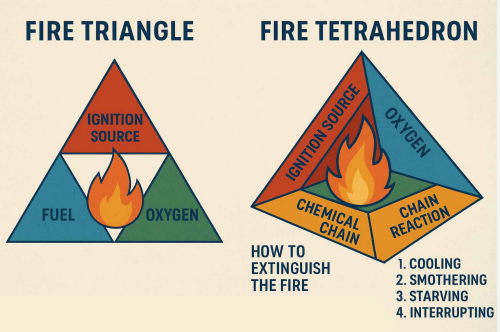
Once discharged, perfluorohexanone rapidly vaporizes and fills the room. It extinguishes fire through a combination of physical and chemical mechanisms. Primarily, it absorbs heat from the flame zone, lowering the temperature below the combustion threshold. This process disrupts the fire triangle removing the heat necessary to sustain the chemical reaction of combustion. Unlike traditional fire suppressants, perfluorohexanone does not displace oxygen, making it safe for occupied spaces.
In addition to heat absorption, perfluorohexanone molecules interact at a molecular level with the combustion process to inhibit the chain reaction of free radicals that sustain the fire, further suppressing flame propagation.
One of the key advantages of this system is its clean, fast-acting, and non-conductive nature. After discharge, the agent dissipates quickly and requires no cleanup, allowing systems and operations to resume with minimal downtime.
Environmentally, perfluorohexanone has a low global warming potential and a short atmospheric lifetime compared to other halocarbon agents, making it a more sustainable choice in fire suppression.
In summary, perfluorohexanone systems offer a safe, efficient, and eco-friendly solution to suppress fires in environments where uptime, cleanliness, and equipment protection are top priorities.
A laboratory fire does more than scorch walls and equipment. It can erase years of effort, data, and discovery in a matter of minutes. Behind every research project are countless hours of planning, testing, and documenting. When fire strikes, it often consumes not only the building but the invisible work that lived within the notebooks, samples, prototypes, and hard drives that held the story of progress.
For many scientists, research is more than a job. It is a calling built on curiosity and persistence. A single incident can unravel years of dedication. The loss of irreplaceable data and specimens can bring entire projects to a halt, leaving researchers without the foundation to rebuild. Grants may be withdrawn. Publications delayed. Students may lose their theses, and careers that once looked promising can suddenly stall.
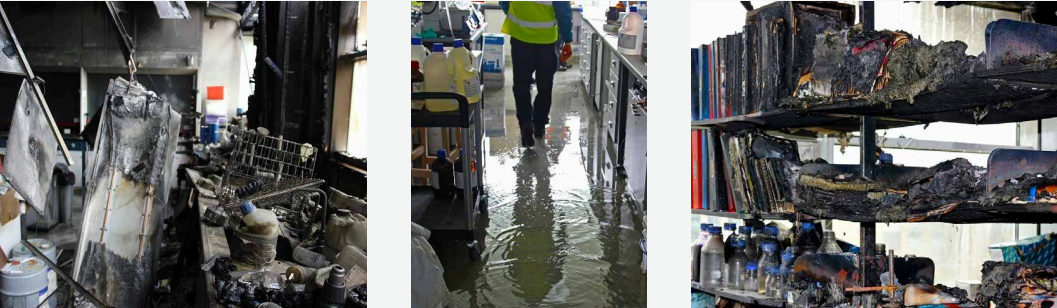
The physical damage to a facility is costly, but the deeper wound is often emotional and intellectual. A laboratory fire shakes the confidence of a research community. It disrupts collaboration and morale. The sense of safety and continuity that fuels discovery can take years to restore. For principal investigators, the responsibility is even heavier. They must lead their teams through grief and uncertainty while navigating complex insurance claims, regulatory investigations, and the long process of reconstruction.
Prevention, then, is not just about protecting equipment or meeting compliance requirements. It’s about preserving human potential. Every researcher who enters a lab deserves to know that their work, their future, and their safety matter. Investing in training, risk assessment, and routine inspection is far less costly than rebuilding what a fire can destroy in moments.
In the end, a laboratory is not defined by its walls or instruments. It is defined by the people and the ideas that live inside. When we protect those, we protect the very essence of science itself; the relentless pursuit of knowledge that should never be left vulnerable to the flames. So having fire suppression on fume hoods is more than insurance.
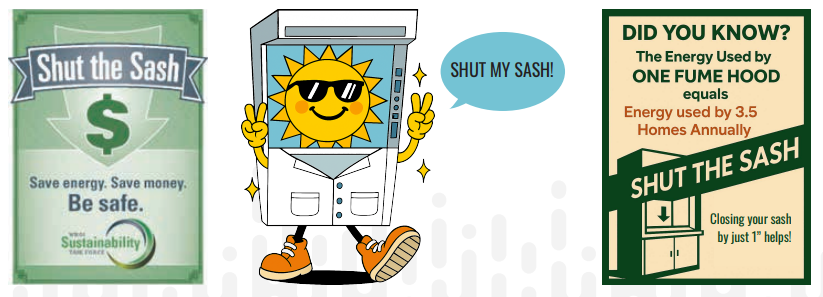
Proper sash management is a simple yet powerful way to improve lab safety and energy efficiency. Sunway’s “The Ultimate” takes sash management to a whole new level. Now the sash is smart also. It can sense the environment and adjust accordingly.
This minimizes the risk of exposure to hazardous fumes and significantly reduces energy costs by limiting the amount of conditioned air exhausted.
Combine the auto-sash with intelligence and optimizes safety while managing energy. Like traditional sashes, It serves as a protective barrier against splashes, chemical reactions, and other unexpected incidents. This technologies help enforce good user habits and reduces human error.
User training will help the user how the sash is their best friend in the lab. Vertical and horizontal sashes operate differently, so make sure the user knows how to adjust their usage accordingly.
Make sash management part of your lab’s culture. Include it in SOPs, safety checklists, and training sessions. Routine monitoring and peer accountability can go a long way in maintaining a safe environment.
Smart sash use protects people, reduces energy waste, and demonstrates your commitment to a safer, more efficient laboratory.
While safety is always the top priority in any laboratory environment, reducing the carbon footprint is also a critical objective. The Ultimate system seamlessly addresses both. By continuously monitoring fume hood containment and detecting changes in real-time conditions, the Ultimate goes beyond traditional safety measures. It not only ensures the highest level of user protection but also intelligently manages airflow to match actual usage needs no more, no less.
This adaptive approach means energy is used only when and where it’s truly needed, resulting in significant reductions in both energy consumption and operating costs. Unlike conventional systems that rely on fixed settings or periodic checks, the Ultimate responds instantly to changes such as sash position, user presence, or lab activity levels.
This real-time adaptability allows lab managers and facility teams to uphold the strictest safety standards while actively minimizing environmental impact. It’s a smarter, more sustainable solution for modern labs that are as committed to the planet as they are to their people.

Think about your smartphone. The one you bought just a few years ago probably looked like the latest and greatest until it wasn’t. New features came along, new apps appeared, and suddenly your device felt outdated. The only way to catch up? Replace it with the newest model.

Now imagine if your laboratory fume hood worked the same way locked into the day it was built, destined to become outdated as technology advanced. That used to be the reality. But not anymore.
With our future-proofed, plug-and-play fume hood, you don’t have to rip out and replace equipment just to keep up with the times. Instead, you can simply upgrade. New sensors, smarter controls, enhanced safety features when new technology emerges, your hood is ready to grow with it. Just like adding a new app to your phone, you add capabilities to your hood.
This approach doesn’t just save money; it protects your investment. Your hood isn’t a relic of the year it was purchased it’s a living, adaptable safety device designed to evolve. That means your laboratory remains on the cutting edge of safety and performance, year after year.
Most importantly, future-proofing ensures your hood is always capable of meeting the changing demands of modern science. As your work evolves, so does your hood. You don’t have to settle for yesterday’s safety in tomorrow’s lab.
Think of it as a promise: The hood you buy today will be ready for the science of tomorrow. Because when it comes to protecting people and enabling discovery, standing still is not an option.
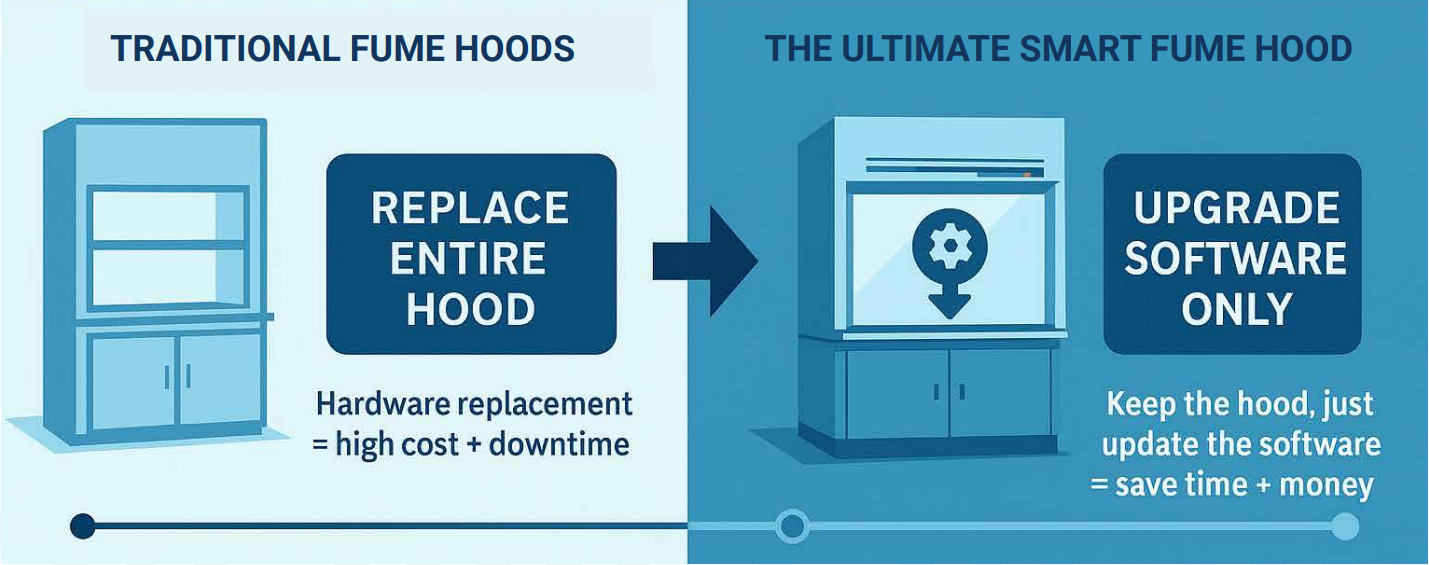
What does “Plug and Play” have to do with a fume hood? Quite a lot especially when you’re talking about The Ultimate.
Traditional laboratory fume hoods often remain in service for 20 to 30 years. While this longevity is impressive, it also means that many hoods currently in use lack the performance, safety, and energy-efficiency features that modern laboratories demand. Retrofitting or replacing outdated hoods can be expensive, disruptive, and time-consuming.
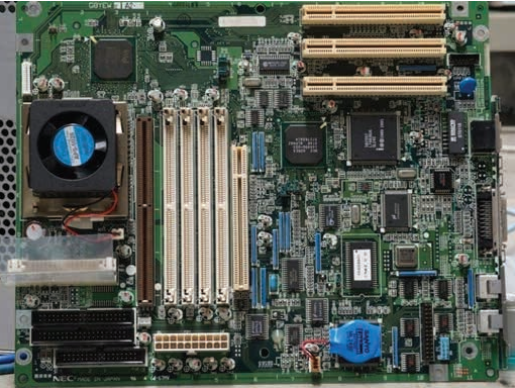
That’s why The Ultimate was designed with the future in mind. Much like a desktop computer’s motherboard or a smartphone’s operating system, The Ultimate embraces a modular, upgradeable approach. But unlike your smartphone, you don’t have to throw away the whole device when new features become available.
With The Ultimate, software upgrades are seamless and easy, allowing your hood to stay current as technology evolves. And when new hardware is developed whether it’s sensors, control systems, or energy-saving components The Ultimate is ready. Built-in provisions allow you to simply plug in and play, without major renovations or downtime.
This forward-thinking design makes The Ultimate a smart, sustainable investment. You’re not just buying a fume hood you’re investing in a platform that grows with you, adapts to new standards, and remains at the forefront of lab safety and performance.
So, what does Plug and Play have to do with a fume hood? With The Ultimate, everything.
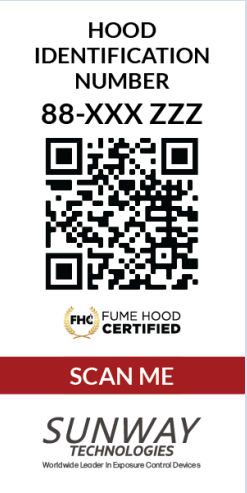
When you buy a Sunway hood, you’re not just getting a piece of equipment you’re getting its digital heartbeat. Every hood ships with a Fume Hood Certified HIN label, a small identifier with a very big purpose. Think of it as the medical portal for your fume hood: the place where its entire history lives and breathes.
Imagine this: a new researcher joins your lab. They don’t know the quirks of the hood tucked in the back corner. Has it been serviced recently? Did someone notice it struggles when the room gets crowded? Is there a history of performance dips during certain experiments? Without documentation, that information often gets lost passed down verbally, if at all. It’s tribal knowledge, fragile and fleeting.
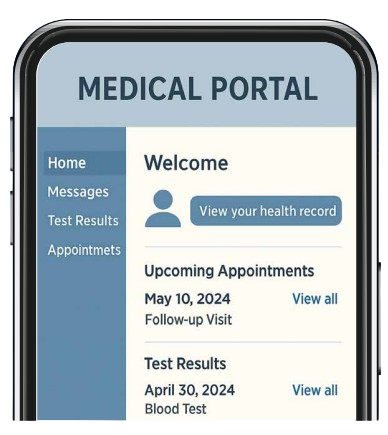
But with the HIN label, that tribal knowledge doesn’t vanish. It’s captured. From the day the hood arrives, all the static information, manuals, and reference documents are preloaded into its digital record. Over time, as tests are performed, maintenance is logged, and observations are noted, the story of that hood is written accurate, accessible, and permanent.
The Fume Hood Performance Tracker becomes more than a database. It’s a living record. Test results are no longer just numbers filed away; they’re data points in a timeline that shows performance trends. Maintenance isn’t just a checklist; it’s part of a narrative that proves the hood is cared for, monitored, and safe. When something goes wrong, you don’t scramble to guess you look back at the data, see the trend, and make informed decisions.
And here’s the real value: over the years, people come and go, but the hood remains. Its digital ID ensures continuity. Whether you’re preparing for an audit, troubleshooting performance, or onboarding new staff, everything you need is right there.
With the Performance Tracker, your hoods don’t just operate they communicate. They tell their story, protect your people, and safeguard your lab’s future. In a world where user safety and accountability matter more than ever, can you afford to have a hood without a voice?
When laboratory professionals refer to equipment as “future-proof,” they mean it is designed to remain useful, adaptable, and compliant over time, even as technology evolves and standards change. In other words, future-proof laboratory equipment won’t become obsolete in just a few years it’s built with longevity, flexibility, and innovation in mind.
In practice, this means equipment that is modular, upgradeable, and scalable. A future-proof fume hood, for example, might allow for easy retrofitting with new airflow sensors, digital monitoring systems, or energy-saving technologies as they become available. It may also meet or exceed the latest safety standards like ANSI/ASHRAE 110 or EN 14175 so that even as regulations tighten, the equipment stays compliant without needing full replacement.

Connectivity is another key aspect. Equipment that can integrate with Building Management Systems (BMS), digital lab platforms, or remote monitoring tools ensures long-term functionality in increasingly data-driven lab environments.
Investing in future-proof solutions also saves money over time. Instead of buying new equipment every time standards shift or new features are needed, labs can upgrade or reconfigure existing units. This sustainability mindset not only supports budgets but reduces environmental impact.
Finally, future-proofing means preparing for the unknown. Whether it’s a new type of experiment, a sudden change in lab layout, or increased demand for energy efficiency, future-proof lab equipment gives scientists and safety managers the agility to adapt without compromise. In short, future-proof laboratory equipment is an investment in reliability, safety, and readiness for today, tomorrow, and years down the road.
Think back to the early days of Microsoft Windows. Each new version brought new capabilities sometimes a simple software patch, other times a full upgrade with new hardware requirements. Yet the idea was always the same: your investment wasn’t just in the box sitting on your desk, it was in a system that could grow, adapt, and keep pace with your needs.
That’s exactly the philosophy Sunway is bringing to the modern fume hood. We call it the operating system of safety. Much like your computer, your hood will not remain static. Some improvements will come as straightforward software updates, seamlessly downloaded into the system. Others may require a new sensor or controller. But thanks to our plug-and-play design, these hardware additions can be installed without ripping out or replacing the hood itself.
This means your investment is not just in a piece of lab equipment it’s in an evolving ecosystem designed to support your laboratory for years, even decades, into the future. Every hood becomes part of a living platform, one that gets smarter and more capable as science advances.
We’ve already charted enhancements for the next five years, from performance monitoring to smarter safety alerts. But the story doesn’t stop there. As our community of scientists, lab managers, and safety professionals provide feedback, their voices will shape the next wave of updates. What your lab needs tomorrow may not be the same as today and Sunway is listening.
In a world where research moves faster than ever, the ability to keep your equipment current is more than convenience it’s peace of mind. With Sunway, your hood evolves alongside your science, ensuring you always have the safest, smartest tools at your fingertips.
Every fume hood we certify is enrolled in the Fume Hood Certified exclusive Fume Hood Performance Tracking system an advanced software tool developed by Fume Hood Certified to ensure long-term safety, compliance, and efficiency.
Each hood is assigned a unique Hood Identification Number (HIN) that functions like a medical record in a patient portal. This
HIN unlocks a secure, digital repository of data for the life of the hood.
From the moment a fume hood leaves the factory, its journey is documented. Manuals, factory specifications, and installation details are uploaded first. Over time, every test report, safety inspection, maintenance event, and performance assessment is logged in the system. As years go by, these records build into a valuable archive creating trend lines that reveal changes in airflow performance, sash usage, containment effectiveness, and more.
This digital history allows facility managers, EH&S teams, and service professionals to track wear and tear, plan maintenance proactively, and even justify upgrades or replacements with data-driven insights. With our Performance Tracking system, your hoods are no longer isolated pieces of equipment they’re part of a smarter, safer, and fully documented lab environment. Stay informed. Stay compliant. And most importantly keep your users safe.